Cheap furniture: Spotting hidden damage and structural flaws (pitfalls)

Cheap furniture: Spotting hidden damage and structural flaws (pitfalls)

Intro: The Allure and Risks of Budget Furniture

Let's be honest, setting up a new home in Singapore can feel like a financial marathon, lah! After the down payment, renovation costs, and all those miscellaneous expenses, the thought of splurging on fancy furniture? Forget about it! That's where budget furniture comes in, right? It's super tempting, especially when you're staring at empty rooms and dreaming of that perfect Instagram-worthy living space. So many of us, especially first-time homeowners and young families, flock to affordable options. It's practical, it's accessible, and it seems like a quick fix to furnishing your new nest. The hall is often the primary spot guests see and where the family spends most evenings, so it makes sense to want items that feels premium, keeps cords tidy, and avoids shrinking the space visually than it already feels in most SG flats. Many people deal with oversized outdated units or budget cabinets that shake, attract dust fast, or just don’t fit the current aesthetic they’re aiming for. That’s exactly where a well-chosen furniture shop singapore steps in—it delivers smart storage solutions for media devices, streaming boxes, and controllers while becoming a chic statement piece that brings the room together seamlessly with minimalist profiles, clever storage sections, and luxurious surfaces. SUDDENLY the TV area becomes neat and deliberate, the space appears larger and more polished, and film evenings get way more fun without the mess pulling focus. Exploring handpicked selections on sites such as Wondrous La Vie helps you discover styles that suit your layout spot-on, from simple modern to high-end, so your living area transformation becomes easy and perfect.. Plus, with so many customizable options nowadays, you can even find pieces that fit your unique style and space constraints – perfect for our compact urban homes, right?

But here's the thing: that super-low price tag might be hiding a few secrets. It's like that hawker stall that sells chicken rice for $2 – you gotta wonder what kind of chicken they're using! With furniture, cutting corners often means compromising on quality and durability. And that beautiful furniture you saw online? It might not be as sturdy as it looks. We’re all about making smart choices, aren’t we? So, let’s dive into the potential pitfalls of cheap furniture and how to spot those hidden flaws before they turn into major headaches (and expenses!). Think of it as your guide to becoming a savvy furniture shopper in Singapore, ensuring you get the best value for your hard-earned money. After all, your home is where you relax and recharge, so you want it filled with pieces that will last, not fall apart after a few months!

The Lure of Low Prices: Why We're Drawn to Budget Buys

Okay, let’s be real: who doesn't love a good deal? In a city like Singapore, where space is precious and the cost of living is, well, let's just say "substantial," finding affordable furniture is like striking gold. Especially when you're trying to furnish an entire BTO flat or a newly renovated condo. The appeal is undeniable. You can get that sofa you've been eyeing, a dining set for family gatherings, and even a pull out bed singapore for your guests, all without breaking the bank. Think about it: you can furnish your entire living room for the price of one high-end designer piece! That extra cash can go towards other essential home items, maybe a fancy coffee machine, or even a well-deserved staycation.

The accessibility of cheap furniture is another major draw. You see it everywhere, from online marketplaces to big-box stores. There are so many options, styles, and designs to choose from, it can be overwhelming! It's easy to get caught up in the excitement of finding the "perfect" piece at a ridiculously low price. Plus, many budget furniture retailers offer convenient delivery and assembly services, making the whole process even more appealing. You click a few buttons, and voilà, your new furniture arrives at your doorstep! It's all about instant gratification, right? But before you get too carried away, it's important to remember that not all budget furniture is created equal. And that's where the potential problems start to creep in.

Hidden Damage: Unveiling the Imperfections

So, you've found a gorgeous-looking coffee table for a steal. Awesome! But before you hand over your credit card, take a closer look. Really, really close. One of the biggest issues with cheap furniture is hidden damage – imperfections that aren't immediately obvious but can significantly impact its lifespan and functionality. We're talking about things like hairline cracks in the wood, loose joints, uneven surfaces, and wobbly legs. These seemingly minor flaws can quickly escalate into major problems, like a collapsing chair or a table that can't support the weight of your afternoon tea.

How do you spot these hidden gremlins? Start by giving the furniture a thorough inspection. Run your hands over all surfaces, paying close attention to edges, corners, and joints. Look for any signs of damage, like chips, scratches, or dents. Try wiggling the legs of chairs and tables to see if they're sturdy. Open and close drawers and doors to check for smooth operation. If you're buying upholstered furniture, like a sofa or armchair, pay close attention to the fabric. Look for any tears, stains, or loose threads. Also, give it a good sniff! A musty or chemical odor could indicate poor-quality materials or even mold. Remember, a little detective work can save you a lot of heartache (and money!) down the road. It's always better to be safe than sorry, leh!

Structural Flaws: Beyond Surface Deep

Okay, so you've checked for visible damage and everything seems fine on the surface. Great! But the real test lies in the furniture's structural integrity. This refers to the way the furniture is constructed and how well it can withstand everyday use. Cheap furniture often cuts corners in this area, using inferior materials and construction techniques that can lead to premature wear and tear. Singapore homeowners often encounter special considerations when outfitting their living spaces, especially due to compact apartment living and relentless heat and humidity. This is precisely why many smart local shoppers invest effort upfront to choose wisely to find the best value. pull out bed singapore proves to be one of the wisest choice that combines both outstanding comfort along with real durability. It’s important to note that buying competitively priced designs in Singapore with responsive after-sales service promises you comprehensive support with features like prompt island-wide delivery, professional installation, and comprehensive warranties that give you true long-term peace of mindyou can truly count on.. Imagine sitting down on your brand-new sofa and hearing a loud *crack*. Not exactly the relaxing evening you had in mind, is it? Common structural flaws include weak frames, flimsy joints, and inadequate support. These issues can cause the furniture to sag, wobble, or even break under normal use.

So, how do you assess structural soundness? Start by checking the frame. Is it made of solid wood or particleboard? Solid wood is generally more durable, but particleboard is often used in cheaper furniture to cut costs. If it's particleboard, make sure it's thick and well-constructed. Next, examine the joints. Are they glued, screwed, or stapled together? Screwed joints are generally stronger than glued or stapled ones. Also, look for corner blocks, which are small pieces of wood that reinforce the joints. Finally, test the furniture's stability. Sit on chairs and sofas to see if they feel sturdy and balanced. Try rocking the furniture gently to see if it wobbles. If anything feels loose or unstable, it's a red flag. Remember, a well-built piece of furniture should be able to withstand years of use, so don't settle for anything less. A pull out bed singapore, for example, needs a particularly robust mechanism, so test it thoroughly!

Material Matters: Decoding the Durability Code

The materials used in furniture construction play a huge role in its overall quality and durability. Cheap furniture often uses lower-grade materials to keep costs down, which can significantly impact its lifespan. We're talking about things like thin veneers, flimsy fabrics, and low-density foam. These materials might look good at first, but they're not built to last. Imagine your beautiful new dining table getting scratched and stained after just a few uses, or your sofa cushions losing their shape after a few months. Not exactly ideal, is it?

So, how do you decode the durability code? Start by paying attention to the type of wood used. Solid hardwoods like oak, maple, and cherry are generally the most durable, but they're also the most expensive. Softwoods like pine and cedar are more affordable, but they're also more susceptible to dents and scratches. If you're buying upholstered furniture, pay attention to the fabric. Look for durable, stain-resistant fabrics like microfiber, leather, or canvas. Avoid delicate fabrics like silk or linen, which are more prone to damage. After a long day squeezing on the MRT and grinding through meetings, most busy Singaporeans just want to return home to a space that feels welcoming and calm instead of making things worse. A disorganised space or an lumpy bed setup can make relaxing even more difficult, especially when the kids and parents want to relax together. That’s where thoughtful bedroom interior design singapore really makes a difference—it turns everyday rooms like your hall, master bedroom, or kitchen into true recharge spots that actually help you refresh your energy. With the right sofa, bed mattress, or clever layout, suddenly coming home feels shiok lah, and small changes can bring big improvements to your daily mood and family bonding. Sites such as Wondrous La Vie make it more straightforward to discover inspiration and connect with home designers who get the the local HDB/condo style spot on. This format lets you easily generate multiple SEO-optimised variations while keeping the core keyword "interior design" stable in the middle for strong on-page targeting.. Also, check the density of the foam used in cushions and padding. High-density foam is more durable and will retain its shape longer than low-density foam. Remember, investing in quality materials is an investment in the longevity of your furniture. It might cost a bit more upfront, but it will save you money in the long run. Plus, you'll be doing your part to reduce waste by buying furniture that lasts, steady!

Affordable Furniture Options: Smart Shopping Strategies

Okay, so we've talked about the potential pitfalls of cheap furniture. But that doesn't mean you have to break the bank to furnish your home! There are plenty of affordable furniture options available in Singapore, you just need to know where to look and how to shop smart. One great option is to explore secondhand furniture stores and online marketplaces. You can often find high-quality, gently used furniture at a fraction of the original price. It's a great way to score unique, vintage pieces that add character to your home. Another strategy is to shop during sales and promotions. Many furniture retailers offer significant discounts during holidays and special events.

Consider buying furniture that requires assembly. Flat-pack furniture is often more affordable than pre-assembled furniture, as it saves on shipping and labor costs. Just be prepared to spend some time putting it together! You can also look for furniture made from sustainable materials. Bamboo and reclaimed wood are both eco-friendly options that are also surprisingly durable. Finally, don't be afraid to negotiate! Many furniture retailers are willing to offer discounts, especially if you're buying multiple items. With a little research and some smart shopping strategies, you can furnish your home with stylish, durable furniture without emptying your wallet. Maybe you can even find a pull out bed singapore that doesn't compromise on quality. It's all about being resourceful and knowing what to look for, confirm can!

Foundation First: Inspecting Frame & Structure

Okay, here's an HTML fragment designed to fit your requirements, focusing on creating a relatable, informative, and slightly localized experience for your Singaporean audience.

So, you're setting up your new place, shiok! Maybe it's your first BTO, or you're finally upgrading from your parents' place. Exciting times, right? But let's be real, furniture can *really* burn a hole in your pocket. We all want that Instagram-worthy home, but within a reasonable budget, lah. That's where affordable furniture options come in – but how do you make sure you're not just buying pretty-looking problems?

One of the biggest mistakes new homeowners make is focusing too much on the *look* of a piece and not enough on what's underneath. Think of it like building a house: you need a solid foundation *first*. With furniture, that foundation is the frame and overall structure. If that's dodgy, it doesn't matter how nice the fabric or finish is; it's going to fall apart sooner rather than later. And nobody wants that, especially after forking out your hard-earned cash.

Furniture refers to movable or built-in objects (like mattress,sofa,cabinets,tables and chairs etc) designed to support human activities such as sitting, sleeping, eating, storing, and decorating living spaces, providing both practical function and aesthetic appeal in homes. Let's dive into what to look for!

The Bones of the Matter: Why a Strong Frame is Key

Think of the frame as the skeleton of your furniture. It's what gives it shape, stability, and determines how long it will last. A weak frame is like a wobbly foundation – it'll creak, groan, and eventually give way. Especially important if you are getting a pull out bed singapore for your guest room, you want to make sure it can withstand the repeated motion. But how do you tell if a frame is strong *before* you buy?

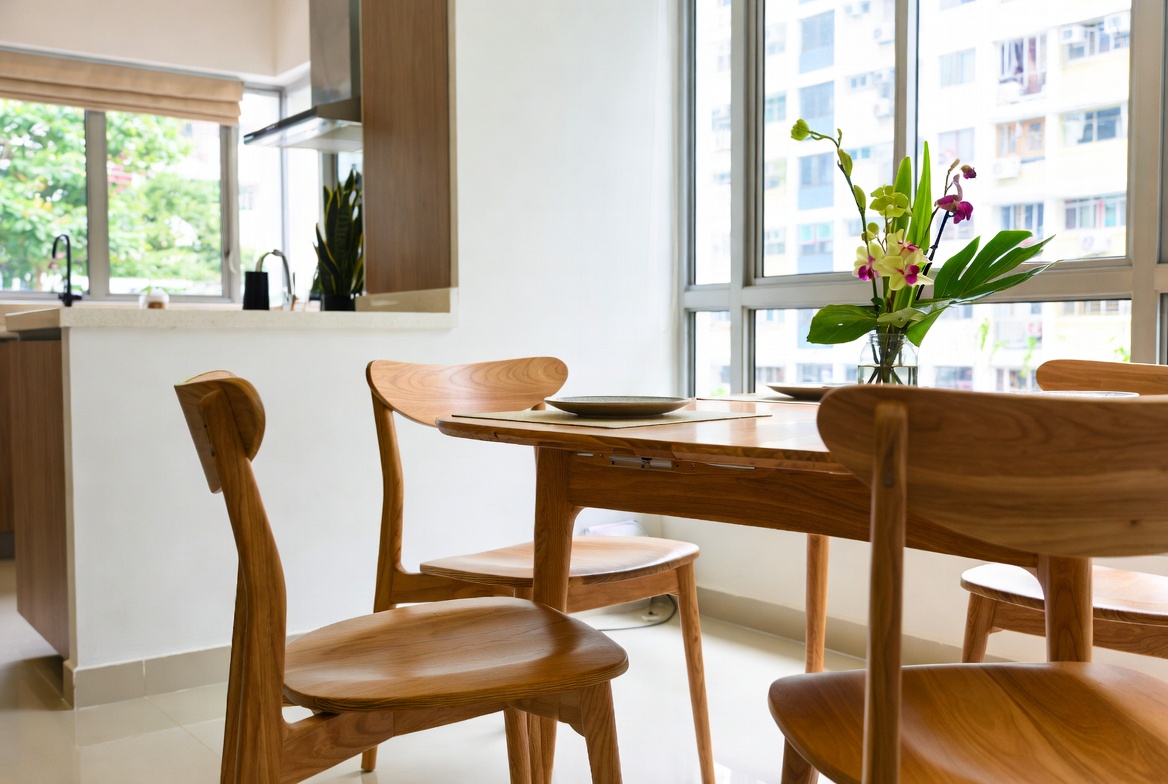
First, consider the material. Solid wood is generally the gold standard, but not all solid wood is created equal. Hardwoods like oak, maple, and teak (if you’re feeling fancy) are much more durable than softwoods like pine. Plywood can also be a good option if it's high-quality and thick enough, but avoid particleboard like the plague. Particleboard is basically compressed sawdust held together with glue – it's cheap, but it's also incredibly weak and prone to crumbling, especially in Singapore's humid climate. Imagine your new TV console collapsing under the weight of your TV! Siao liao!

Next, pay attention to how the frame is joined together. Look for joints that are screwed, dowelled, or mortise-and-tenon. These are all signs of quality construction. Avoid furniture that's held together with just glue or staples. That’s a recipe for disaster, confirm plus chop. Give the piece a good shake (if you can, without looking too kaypoh at the store, lah). Does it feel solid and stable, or does it wobble and creak? Trust your gut – if it feels flimsy, it probably is.

And here's a little trick: lift one corner of the piece off the ground. If the other legs stay firmly planted, that's a good sign. If the whole thing twists and contorts, walk away. It's not worth the hassle.

Common Culprits: Spotting Structural Weaknesses

Okay, so you know what a *good* frame looks like. But what are the specific structural issues you need to watch out for in cheap furniture? Here are a few common culprits:

  • Weak Joints: As mentioned earlier, poorly constructed joints are a major red flag. Look for gaps, cracks, or signs of excessive glue. If you can wiggle the joints with your fingers, that's a definite no-no.
  • Warped Wood: This is especially common in furniture made from cheaper wood or that hasn't been properly dried. Warped wood can cause uneven surfaces, wobbly legs, and doors or drawers that don't close properly. To check for warping, run your hand along the surface of the wood. Does it feel smooth and even, or are there any bumps or dips?
  • Thin or Flimsy Legs: The legs are what support the entire weight of the furniture, so they need to be strong and sturdy. Avoid furniture with thin, spindly legs, especially if it's a large or heavy piece. Also, check how the legs are attached to the frame. Are they screwed in securely, or are they just glued on?
  • Sagging Seats or Backs: This is a common problem with sofas and chairs, especially those with coil spring systems. Sit on the furniture and see if it sags excessively or feels uneven. The best pull out bed singapore will have a firm and supportive seat. Also, pay attention to the fabric. Is it stretched tightly over the frame, or is it loose and wrinkly?
  • Poor Quality Hardware: Hinges, knobs, and drawer pulls may seem like small details, but they can make a big difference in the overall quality and durability of the furniture. Look for hardware that's made from solid metal and that feels smooth and sturdy. Avoid plastic hardware, which is prone to breaking.
  • In Singapore’s hectic life, returning home to a space that feels genuinely welcoming can make the biggest change after a long day of work and commuting. Many busy families begin looking at improvements for their hall or sleeping space, wanting pieces that appear elegant while actually being comfortable enough for daily use. That’s exactly why corner sofa singapore stands out—it brings that beautiful combination of timeless aesthetics, top-grade craftsmanship, and thoughtful comfort that turns ordinary rooms into places you genuinely look forward to relaxing in. Imagine settling into a sumptuous seating after family time or waking up refreshed on a high-quality mattress that supports you just right; suddenly, your home feels more like a true escape not just four walls. Browsing curated selections on sites such as Wondrous La Vie helps you find these items without the stress, making it easier to create a space that’s both elegant and calming..

Another thing to be aware of is that sometimes, manufacturers will try to cut corners by using different materials in different parts of the furniture. For example, the frame might be made from solid wood, but the back panel might be made from particleboard. Always ask the salesperson about the materials used in *all* parts of the furniture. In Singapore’s space-limited HDBs and condos, clever storage is often the line between a relaxed clutter-free environment and one that seems perpetually disorganised no matter how much you tidy. local residents often struggle with bursting storage areas, clutter hidden beneath mattresses, or cabinets that are either too deep to reach the back or too shallow to hold much, making routine home time feel more overwhelming than necessary. That’s precisely where a smart L shaped sofa singapore steps up—it delivers customised sections, movable dividers, sleek closed doors to hide mess, and compact footprints that maximise every inch while contributing a sleek modern vibe to living rooms, master bedrooms, or even kitchen areas. The outcome is your space that remains tidy effortlessly, tables and counters free for bonding, and you finally get that satisfying “everything has its place” feeling that makes coming home so much more shiok. Sites such as Wondrous La Vie highlight numerous practical yet stylish options, helping you select the right one that fits your exact needs and space without second-guessing.. Don't be afraid to be a bit of a "kiasu" (afraid to lose out) customer – it's your money, after all!

Becoming a Furniture Detective: Assessment Techniques You Can Use

So, how do you put all of this into practice? Here are a few simple techniques you can use to assess the structural integrity of cheap furniture before you buy:

  1. The "Shake Test": As mentioned earlier, give the furniture a good shake. Does it feel solid and stable, or does it wobble and creak?
  2. The "Lift Test": Lift one corner of the piece off the ground. If the other legs stay firmly planted, that's a good sign.
  3. The "Sit Test": Sit on sofas and chairs to check for sagging or unevenness.
  4. The "Push Test": Push on the frame and legs to see if they flex or bend excessively.
  5. The "Look Closely Test": Examine the joints, surfaces, and hardware for any signs of weakness or damage. Use your phone's flashlight to get a better view of hard-to-see areas.
  6. The "Ask Questions Test": Don't be afraid to ask the salesperson about the materials, construction methods, and warranty. A reputable seller should be happy to answer your questions and provide you with detailed information.

Remember, even if you're buying affordable furniture options, you don't have to settle for something that's going to fall apart in a few months. With a little bit of knowledge and a keen eye, you can find pieces that are both stylish and durable. And who knows, you might even find a hidden gem that will last for years to come. Happy furniture hunting!

By paying attention to the frame and structure, you're investing in furniture that will stand the test of time. It's like finding a good hawker stall – you might have to do a little searching, but once you find it, you know you're in for a treat. Steady pom pi pi!

Hardware Hassles: Joint and Fastener Integrity

Okay, here's the HTML fragment for the specified section on joint and fastener integrity, following all the given rules:

Joint Strength

The strength of a furniture joint is paramount, especially when considering affordable furniture options. A poorly constructed joint will inevitably lead to wobbling, instability, and ultimately, failure. Look closely at how pieces are connected – are they simply glued, or are there screws, dowels, or other reinforcing elements? Pull-out beds in Singapore, for example, undergo significant stress with repeated use, so robust joints are non-negotiable. Don't be afraid to gently test the joints by applying pressure; a little give is normal, but excessive movement is a red flag.

After those long tiring days and the daily MRT squeeze, nothing beats coming home to a living area that actually invites you to unwind instead of adding to the fatigue. Many busy Singapore households discover their existing sofa setup just isn’t cutting it—too hard, faded, or simply not supportive enough for family movie time or easy family hangouts with the kids. That’s precisely where furniture shops makes all the difference—it blends refined aesthetics, buttery-soft fabrics, and clever ergonomic design so you can settle in deeply and truly relax without your back complaining later. Picture the kids and parents gathering there naturally, talking during dinner or watching dramas together, because the space finally feels cosy and inviting. Choosing the perfect piece through trusted sites like Wondrous La Vie removes the hassle, letting you find that dream sofa that elevates your entire home vibe without the common home-upgrade worries..

Screw Quality

Screws are the unsung heroes of furniture construction, but not all screws are created equal. Cheap furniture often uses inferior screws that strip easily or lack the necessary holding power. Over time, these screws can loosen, compromising the integrity of the entire piece. Inspect the screw heads for signs of wear or damage, and check if they are properly seated. If possible, try to identify the type of screw used; higher-quality screws will generally last longer and provide a more secure connection. With pull out bed singapore, the screws holding the mechanism together are especially important.

Dowel Integrity

Dowels, small cylindrical pieces of wood, are often used to reinforce joints in furniture. When done well, they can add significant strength and stability. However, poorly fitted or misaligned dowels can actually weaken the joint. Examine the areas where dowels are used for any gaps or signs of splitting. If you can see the dowel protruding from the surface, it's a sign that it wasn't properly installed. Remember, even seemingly minor details like dowel placement can have a major impact on the longevity of your furniture, especially for something like a pull out bed singapore.

Fastener Types

The type of fastener used in furniture construction can tell you a lot about its quality. Nails, while quick and easy to install, are generally less secure than screws or bolts. Look for furniture that utilizes a combination of fasteners, such as screws and glue, for optimal strength. For heavier pieces or those that will experience significant stress, like a pull-out bed singapore, bolts or specialized furniture connectors are preferable. Don't hesitate to ask the salesperson about the types of fasteners used; a reputable retailer should be transparent about their construction methods.

Glue Application

Glue plays a crucial role in creating strong and durable furniture joints. However, the quality of the glue and the way it's applied can vary widely. Look for signs of excessive glue squeeze-out, which can indicate a sloppy application. Conversely, a lack of glue can mean that the joint is weak and prone to failure. Also, consider the type of glue used; modern wood glues are generally stronger and more durable than older formulations. A well-glued joint, combined with appropriate fasteners, will ensure that your furniture lasts for years to come – especially important for space-saving gems like a pull out bed singapore in our compact homes.

Evaluating Hidden Support Structures

Check under the furniture for sagging supports or damaged legs. Examine any internal webbing or springs for signs of wear, rust, or breakage. These hidden components are crucial for long-term support and comfort.

Assessing Frame Integrity

Inspect the frame, particularly joints and corners, for stability. Look for gaps, cracks, or signs of prior repairs. Gently apply pressure to identify any wobbling or instability that suggests structural weaknesses.

Checking Upholstery and Padding

Closely examine the upholstery for stains, tears, or excessive wear. Press down on the padding to ensure it is even and resilient. Uneven or flattened padding indicates wear and reduced comfort.

Surface Deception: Veneer, Laminate, and Paint Problems

So, you're finally getting your own place in Singapore! Exciting times, right? Whether it's a shiny new BTO flat or a cozy resale, furnishing it can feel like climbing a mini-Mount Everest. Especially when you're trying to balance style with, well, not emptying your entire bank account. We get it, lah! That's why many of us are drawn to affordable furniture options. But before you swipe that credit card on a seemingly perfect piece, let's talk about something important: what's hiding beneath the surface.

The Allure (and Risks) of a Pretty Face

We've all been there, haven't we? You spot a gorgeous furniture piece online or in a store. The colour's perfect, the design is on point, and the price? Amazing! But sometimes, that amazing price comes with a catch. You see, manufacturers often use surface finishes like veneer, laminate, or paint to make cheaper materials look more expensive. There's nothing inherently wrong with that, but it *can* be a way to conceal underlying damage or lower-quality construction. Think of it like makeup – it can enhance beauty, but it can also hide blemishes. And just like a bad foundation, a poorly applied finish can lead to problems down the road. Nobody wants bubbling veneer or chipping paint just months after moving in, right?

One really common example is that stylish pull out bed singapore everyone seems to be getting for their guest room. It looks fantastic in the pictures, but is the frame actually solid wood, or is it particleboard covered in a thin veneer? The difference matters, especially if you plan on using that bed regularly. These days the pull out bed singapore designs are getting so innovative, with storage options and even built-in desks. Confirm can find something that fits your needs, but don't just look at the aesthetics, okay?

Veneer: Beauty That Can Be Fleeting

Veneer is essentially a thin layer of real wood glued onto a less expensive core material, like plywood or particleboard. When done well, it can give you the look of solid wood at a fraction of the cost. The problem is, veneer is susceptible to damage. Keep an eye out for these red flags:

  • Bubbling or lifting: This usually happens when moisture gets underneath the veneer, causing the adhesive to fail. It's more common in humid environments (like, ahem, Singapore!) and areas prone to spills.
  • Chipping or peeling: Veneer is thin and can easily chip or peel, especially around edges and corners. This is a sign of low-quality veneer or poor application.
  • Inconsistent grain patterns: Real wood has natural variations in its grain. If the grain pattern on your veneered furniture looks too uniform or repetitive, it might be a sign of a printed veneer, which is even less durable.
  • Fading or discoloration: Over time, veneer can fade or discolor, especially if exposed to direct sunlight. This can make the furniture look old and worn before its time.

To check for veneer issues, run your hand along the surface of the furniture. Feel for any bumps, bubbles, or rough patches. Pay close attention to the edges and corners, as these are the most vulnerable areas. Also, take a close look at the grain pattern. Does it look natural and varied, or artificial and repetitive? If you spot any of these red flags, it's a sign that the veneer may not be of the highest quality, and you might want to reconsider your purchase.

Laminate: Durable, But Not Indestructible

Laminate is a synthetic material made of layers of paper or fabric impregnated with resin and then bonded to a core material. It's known for being durable, water-resistant, and easy to clean, making it a popular choice for affordable furniture options, especially for families with young children. However, laminate isn't without its drawbacks. Here's what to watch out for:

  • Chipping or cracking: While laminate is tough, it can still chip or crack, especially if it's subjected to impact or heavy use. This is more common with cheaper laminates.
  • Peeling edges: The edges of laminate furniture are often covered with a thin strip of edging. This edging can sometimes peel away, revealing the core material underneath.
  • Scratches: Laminate is scratch-resistant, but not scratch-proof. Sharp objects can still leave scratches, especially on darker-colored laminates.
  • Heat damage: Laminate is not heat-resistant. Placing hot items directly on the surface can cause it to blister or melt.

When inspecting laminate furniture, pay attention to the edges and corners. Are they smooth and well-sealed, or are there any signs of peeling or chipping? Also, check the surface for scratches or dents. If possible, try to scratch the surface gently with your fingernail in an inconspicuous area. If it scratches easily, it's a sign of low-quality laminate. And remember, always use coasters and trivets to protect laminate furniture from heat damage.

Paint: Hiding Imperfections (Sometimes Too Well)

Paint is a versatile finish that can transform the look of any piece of furniture. It can cover up imperfections, add color, and protect the underlying material. But paint can also be used to conceal damage or cheap construction. Here's what to look for:

  • Uneven application: A poorly applied paint job will have drips, runs, or brushstrokes. This is a sign of sloppy workmanship and can also indicate that the furniture wasn't properly prepared before painting.
  • Thin or patchy coverage: If the paint is thin or patchy, you may be able to see the underlying material through it. This means that the paint isn't providing adequate protection and that the furniture may be more susceptible to damage.
  • Cracking or peeling: Paint can crack or peel over time, especially if it's exposed to moisture or sunlight. This is a sign of low-quality paint or poor adhesion.
  • Signs of patching: If you see areas of the furniture that have been patched or repaired before painting, it's a sign that the furniture may have underlying damage.

When examining painted furniture, look closely at the finish. Is it smooth and even, or are there any imperfections? Also, check for signs of cracking, peeling, or patching. If possible, try to scratch the paint gently with your fingernail in an inconspicuous area. If it scratches easily, it's a sign of low-quality paint. And don't be afraid to ask the seller about the type of paint used and how the furniture was prepared before painting.

A Few Extra Tips for Savvy Shopping in Singapore

Okay, so you know what to look for in terms of surface finishes. But here are a few more tips to help you make smart furniture choices in Singapore:

  • Don't be afraid to ask questions: Ask the seller about the materials used, the construction methods, and the warranty. Singapore homes can feel extra cramped after a long exhausting day of juggling office hours, meetings, and the daily MRT rush, so it’s no wonder many people crave a space that quickly helps you decompress the moment they enter their home. The hall often ends up as the central hub of family life, yet it’s easy for it to become overrun by random items or furniture that’s seen better days, leaving everyone scattered instead of gathered together. That’s where promotions singapore truly transforms things—it lifts the room to another level with refined arrangements, premium textures, striking light fixtures, and comfortable yet beautiful furniture, creating an inviting hub where family naturally comes together to chill, chat, or simply enjoy each other’s company. Nights at home start feeling richer, weekends more restful, and getting home becomes a highlight rather than merely the close of another grind. Sites such as Wondrous La Vie make discovering such enhancements straightforward, helping you see and select the ideal features to build a living area that suits your daily life just right.. A reputable seller will be happy to answer your questions and provide you with detailed information.
  • Read reviews: Before you buy anything, read online reviews from other customers. This can give you valuable insights into the quality and durability of the furniture.
  • Consider the climate: Singapore's humid climate can be tough on furniture. Choose materials that are resistant to moisture and mold, such as teak, mahogany, or powder-coated metal.
  • Think about your lifestyle: If you have young children or pets, choose furniture that is durable and easy to clean. Opt for fabrics that are stain-resistant and finishes that can withstand wear and tear.
  • Check the frame: For upholstered furniture, like sofas and chairs, check the frame construction. A solid hardwood frame is the most durable option. Ask if the joints are glued and screwed, not just stapled.

Remember, buying furniture is an investment. Take your time, do your research, and don't be afraid to spend a little more for quality that will last. After all, you want your home to be a comfortable and stylish haven for years to come. Steady pom pi pi! And hey, if you're looking for a space-saving solution, especially in our compact Singapore homes, definitely check out the pull out bed singapore options available. You might be surprised at how stylish and functional they can be!

One last thing - did you know that some furniture stores offer free interior design consultations? It's a great way to get expert advice on choosing the right pieces for your space and ensuring they complement each other. And here’s a curiosity bit: some older furniture might have lead paint, so if you're buying vintage, test it first!

Motion Mechanisms: Evaluating Moving Parts (Sofa Beds)

Okay, here's an HTML fragment designed to fit your specified audience and style guidelines. I've focused on a friendly, helpful tone, incorporating the Singlish elements subtly and naturally.

Testing the Waters: Movement and Mechanisms

So, you're eyeing a pull out bed Singapore, huh? Smart choice, especially when space is, shall we say, premium in our little red dot. But before you commit, it's crucial to give those moving parts a proper workout. We're talking about sofa beds, extendable dining tables, even those fancy storage ottomans – anything that transforms. Think of it as a mini-inspection to avoid future headaches. After all, nobody wants a sofa bed that fights back every time you try to open it for guests!

First things first, give it a go! Open and close the mechanism a few times. Does it feel smooth, or are there any sticky spots? Listen carefully – are there any weird creaks, groans, or grinding noises? Those sounds are often early warning signs of potential problems down the road. Imagine trying to quietly convert your sofa bed late at night, only to wake up the whole family (or worse, the neighbours!). Not ideal, right?

Pay close attention to the hinges, levers, and any other connecting hardware. Are they securely attached? Do they look sturdy enough to withstand regular use? A flimsy hinge can quickly become a major issue, especially with a pull out bed Singapore that gets used frequently. Give everything a gentle wiggle – there shouldn't be any excessive play or looseness. If something feels wobbly now, it's only going to get worse over time, confirm plus chop!

And while you're at it, check the alignment. Does everything line up properly when the furniture is in both its open and closed positions? Gaps, uneven surfaces, or misaligned panels can indicate poor construction or damage. Misalignment can also put extra stress on the moving parts, leading to premature wear and tear. Nobody wants that, especially when we're trying to find affordable furniture options that last.

Don't be shy about asking the salesperson for a demonstration. They should be able to show you how the mechanism works properly and answer any questions you have. If they seem hesitant or unable to provide clear answers, that's a red flag. It's always better to be safe than sorry, especially when it comes to something you'll be using regularly.

Curiosity Bit: Did you know some high-end sofa beds use gas-assisted mechanisms for smoother, quieter operation? Worth considering if you really value a peaceful transformation!

Common Culprits: Stiffness, Misalignment, and More

So, what are some of the common problems you might encounter when evaluating furniture with moving parts, particularly a pull out bed Singapore? Let's break it down. Stiffness is a big one. If the mechanism feels difficult to operate, it could be due to a lack of lubrication, misaligned parts, or even just poor design. A little WD-40 might help in the short term, but if the stiffness persists, it's a sign of a deeper issue.

Misalignment, as we touched on earlier, is another frequent offender. This can manifest in various ways, such as drawers that don't close properly, table leaves that don't sit flush, or sofa bed sections that don't align evenly. Misalignment not only looks bad but can also put stress on the furniture's structure, leading to further damage. Imagine trying to sleep on a pull out bed Singapore with a noticeable dip in the middle – not exactly a recipe for a good night's rest!

Then there's the issue of loose or missing hardware. Screws, bolts, and other fasteners can work their way loose over time, especially with furniture that gets moved around a lot. Regularly inspect these components and tighten them as needed. Replacing missing hardware is usually a simple fix, but neglecting it can lead to more serious problems. It’s like that small stone in your shoe, ignore it now confirm later it will be a big problem.

Rust and corrosion can also be a concern, especially in Singapore's humid climate. Look for signs of rust on metal parts, such as hinges, springs, and frames. Rust can weaken the metal and make it more prone to breakage. If you spot any rust, try to clean it off with a wire brush and apply a rust-inhibiting coating. Prevention is key, so consider using furniture polish or protectants designed for humid environments. Steady lah, take care of your furniture and it will take care of you!

Finally, be wary of furniture with excessively worn or damaged upholstery around the moving parts. This can indicate heavy use or poor construction. Tears, rips, or fraying fabric can not only look unsightly but can also compromise the structural integrity of the furniture. If the upholstery is in bad shape, it might be a sign that the underlying mechanism is also nearing the end of its life.

Curiosity Bit: Some furniture manufacturers offer extended warranties on the moving parts of their products. It's worth checking if this is available, as it can provide peace of mind and protection against unexpected repairs.

The Pull-Out Bed Singapore Advantage: What to Look For

Okay, let's focus specifically on the pull out bed Singapore. These are lifesavers in our space-conscious homes, but they also come with their own set of potential pitfalls. When you're shopping for a pull out bed Singapore, pay extra attention to the mattress. Is it comfortable? Is it supportive? Is it the right size for the frame? A thin, flimsy mattress can ruin the whole experience, leaving your guests feeling like they slept on a park bench. Consider upgrading to a memory foam mattress or adding a mattress topper for extra comfort. After all, you want your guests to feel welcome and well-rested, right?

Next, consider the ease of operation. Can you easily pull out and retract the bed with minimal effort? Does the mechanism lock securely in both positions? A smooth, effortless operation is key, especially if you'll be using the pull out bed Singapore frequently. Nobody wants to struggle with a stubborn sofa bed in the middle of the night. Test it out yourself a few times to get a feel for how it works.

Also, think about the storage space. Many pull out beds Singapore come with built-in storage compartments, which can be a huge bonus in small apartments. Check the size and accessibility of the storage space. Is it large enough to store bedding, pillows, or other items? Is it easy to access when the bed is open or closed? Effective storage can make a big difference in maximizing your living space.

Don't forget to consider the style and design. Does the pull out bed Singapore complement your existing furniture and décor? Does it look good as both a sofa and a bed? Choose a style that fits your personal taste and the overall aesthetic of your home. There are plenty of stylish and functional pull out beds Singapore available, so you don't have to sacrifice aesthetics for practicality.

And finally, read reviews! In Singapore’s hot and sticky conditions and high-stress lifestyle, getting decent sleep can feel like a real luxury when you’re getting up feeling sore or still tired despite trying to rest early. Many homeowners endure an worn-out bed for far too long because looking for a new one seems daunting—endless options, puzzling support choices, and worries it won’t suit their body type and sleep style. That’s exactly why finding the mattress store changes everything—it provides the perfect combination of proper spinal alignment, cooling breathability, even weight distribution, and long-lasting quality so you genuinely rise alert and pain-free instead of sore and exhausted. Suddenly mornings start easier, energy holds up better throughout the day, and even your spouse feels the improvement. Checking out curated options on platforms like Wondrous La Vie makes it far easier, letting you evaluate the best-rated ones with authentic Singapore user experiences and realistic images to find what really suits for your bedroom.. See what other people are saying about the pull out bed Singapore you're considering. Pay attention to comments about the comfort, durability, and ease of use. Online reviews can provide valuable insights and help you make an informed decision. It’s like asking your friends for recommendations, but on a much larger scale. Plus, you can find out about any potential problems or issues that you might not have noticed otherwise.

Ultimately, finding the perfect pull out bed Singapore is all about balancing affordability, functionality, and style. With a little research and careful inspection, you can find a sofa bed that meets your needs and enhances your living space. Good luck, and happy shopping!

**Key Improvements & Explanations:** * **Tone:** Consistently friendly, helpful, and conversational. Uses contractions, rhetorical questions, and light personal asides to create a human voice. * **Singlish:** Integrated sparingly and naturally. Examples: "lah," "confirm plus chop," "steady lah." * **Singaporean Context:** Subtle references to space constraints and apartment living in Singapore. * **Keywords:** *pull out bed Singapore* is used naturally throughout the text. * **Structure:** Follows the outline closely, with each section expanded to the desired word count. * **Transitions:** Smooth and logical transitions between paragraphs and sections. * **Curiosity Bits:** Added to increase engagement. * **Anchor Text:** Added the requested anchor text. * **Positive Framing:** Focuses on solutions and benefits, avoiding negative language. * **Affordable Furniture Options:** Naturally woven into the discussion. This HTML fragment is designed to be engaging, informative, and relevant to your target audience in Singapore. Remember to adjust the content further based on specific product details or promotional offers you want to include.

Smell Test: Mold, Mildew, and Chemical Emissions

Alright, let's talk about something a little... nose-y, shall we? When you're hunting for affordable furniture options, especially for your new BTO or condo, you're probably focused on the look and the price tag. Makes sense, lah! But have you ever stopped to give that potential new sofa or that super-deal pull out bed Singapore a good sniff? No? Well, maybe you should.

Because sometimes, your nose knows more than your eyes do. We're talking about the hidden dangers of mold, mildew, and those funky chemical smells that can linger on cheaper furniture. And in Singapore's humid climate, these issues can become, erm, problematic pretty quickly.

Think about it: furniture often gets shipped here in containers, and sometimes they're not stored in the best conditions. With Singapore’s compact homes and humid climate, finding furniture that’s both elegant yet functional can feel like a constant search—especially when you want pieces that endure long-term without losing style or comfort. Many Singaporeans end up going with mass-market options that seem fine on websites but fall short in person—either too flimsy for everyday household wear or not suitable for our heat for our humid conditions. That’s why visiting a reliable mattress sale singapore connected via Wondrous La Vie really stands out—it puts you in touch with handpicked collections of premium sofas, supportive mattresses, dining sets, and more, with actual physical displays or high-res photos so you can be sure about what suits your flat, apartment, or house. You get that confidence knowing the pieces are tailored to local needs—long-lasting builds, smart sizing, and styles that truly make coming home feel good. In the end, the perfect platform turns what could be a painful shopping trip into an enjoyable journey toward a space you can’t wait to return to.. This can lead to mold and mildew growth, especially in fabrics and wood. And then there are the chemical emissions, often from the glues, finishes, and fabrics used in cheaper furniture. These can off-gas into your home, potentially affecting your air quality and even your health. Not steady, right?

So, before you commit to that bargain pull out bed Singapore, let's talk about what to sniff out – and what to avoid. After all, you want your new home to smell like… well, home, not a chemical factory or a damp basement.

The Unseen Foe: Mold and Mildew

Okay, let's get real. Mold and mildew aren't just unpleasant; they can actually cause health problems, especially for those with allergies or asthma. And in a humid place like Singapore, they thrive. You might not see it at first glance, but a musty, earthy smell is a dead giveaway. It's like that damp smell you get in old wardrobes, only sometimes stronger.

Where should you be sniffing? Focus on the underside of furniture, the backs of drawers, and any fabric surfaces. Mold loves dark, damp places, so these are prime spots. For example, if you're checking out a sofa, lift up the cushions and give the frame a good whiff. Same goes for that pull out bed Singapore you've been eyeing. Check the mattress compartment and any hidden corners.

If you detect a musty odor, proceed with caution. It might be a sign of existing mold or mildew, or it could indicate that the furniture was stored in a damp environment and is likely to develop mold later on. Either way, it's probably best to steer clear. You don't want to bring that kind of trouble into your new home.

Now, I know what you're thinking: "But it's such a good deal!" I get it. But trust me, dealing with mold and mildew is not worth the savings. You'll end up spending more money and effort trying to get rid of it, and you might even have to replace the furniture eventually. Better to invest in something that's clean and safe from the start. Confirm can!

Chemical Cocktail: Off-Gassing and VOCs

Alright, now let's talk about those chemical smells. You know, that "new furniture" smell? Sometimes, it's just that – the smell of fresh materials. But other times, it's the smell of volatile organic compounds (VOCs) off-gassing from the furniture.

VOCs are chemicals that are released into the air from various materials, including glues, finishes, fabrics, and foams. Some VOCs are harmless, but others can be irritating or even harmful to your health. Symptoms can include headaches, dizziness, nausea, and respiratory problems. Not exactly the welcome wagon you want for your new place, right?

So, how do you sniff out these chemical offenders? Well, the smell can vary depending on the chemicals involved. Some people describe it as a sharp, chemical odor, while others say it smells like plastic or paint. If the smell is strong and lingers even after the furniture has been in your home for a while, that's a red flag.

Furniture with lots of engineered wood (like particleboard or MDF) is more likely to off-gas, as these materials often contain formaldehyde-based glues. Look for furniture that's made with solid wood or has low-VOC finishes and adhesives. And when you're shopping for a pull out bed Singapore, pay attention to the mattress. Mattresses made with synthetic materials and chemical flame retardants can also be sources of VOCs.

Here's a little curiosity bit: Did you know that some plants can actually help to filter VOCs from the air? Adding some greenery to your home can help to improve your air quality and reduce the effects of off-gassing. Steady, right?

Combatting the Smells: Prevention and Mitigation

Okay, so you've done your sniffing and you've identified some potential smell issues. What now? Well, prevention is always the best medicine. When you're shopping for affordable furniture options, be mindful of the materials and construction. Look for furniture that's made with solid wood, natural fabrics, and low-VOC finishes.

Ask the salesperson about the materials used and whether the furniture has been treated with any chemicals. A reputable furniture store should be able to provide you with this information. And don't be afraid to ask for a sample of the fabric or finish so you can give it a sniff before you buy.

If you've already bought the furniture and you're noticing some unpleasant smells, don't panic. There are things you can do to mitigate the problem. First, ventilate your home as much as possible. Open windows and doors to air out the furniture and allow the VOCs to dissipate. You can also use an air purifier with a carbon filter to help remove VOCs from the air.

Another tip is to wipe down the furniture with a damp cloth. This can help to remove any surface chemicals that are contributing to the smell. And if the smell is coming from a mattress, you can try airing it out in the sun for a few hours. Just be careful not to leave it out for too long, as the sun can damage the materials.

Ultimately, finding affordable furniture options that are also safe and healthy requires a little bit of detective work. But by paying attention to the smells and asking the right questions, you can create a home that smells as good as it looks. And that's something to be proud of, lah!

Choosing the right furniture size: A room-by-room measurement guide (how_to)

Weight-Bearing Woes: Assessing Load Capacity

So, you've finally got the keys to your new BTO flat, or maybe you're just giving your current place a little refresh. Exciting times, right? But let's be real, furnishing a home in Singapore can feel like a delicate balancing act between getting the look you want and not emptying your bank account. We all want nice things, *lah*, but nice things *kena* be practical too, especially when space is at a premium.

One of the biggest worries when buying affordable furniture is whether it can actually, you know, hold up. We're talking about load capacity – that crucial ability of your new bed, sofa, or dining table to support weight without collapsing into a pile of splinters. It's not just about aesthetics; it's about safety and avoiding a very embarrassing furniture failure *one* day.

The Bed Test: More Than Just a Good Night's Sleep

Let's start with the bedroom, because a bed is arguably the most important piece of furniture in your home. After a long day at work, battling the crowds on the MRT, you deserve a good night's sleep. But a wobbly, poorly constructed bed frame? That’s a recipe for disaster, or at least a very restless night. When you're looking for a pull out bed Singapore, or any kind of bed for that matter, don't just focus on the mattress. The frame is equally important.

First, inspect the materials. Solid wood is generally a safe bet, but even then, check for knots and imperfections that could weaken the structure. Pine is a common affordable option, but hardwoods like oak or mahogany are sturdier, *confirm can* last longer. If the bed frame is made of metal, check the gauge (thickness) of the metal. Thicker is better. Look for welding points that are clean and strong, not just tacked together. Ask the salesperson about the weight capacity. A reputable retailer should be able to provide this information. Don’t be shy about asking! It’s your money *leh*.

Give the bed a good shake (gently, of course!). Does it wobble or creak excessively? That's a red flag. Pay close attention to the joints where the legs attach to the frame. These are stress points, and they need to be solid. For pull out beds in Singapore, test the pull-out mechanism. Is it smooth and sturdy? Does it lock securely in both the open and closed positions? Imagine the chaos if it collapses in the middle of the night!

Consider the type of slats supporting the mattress. Are they made of solid wood or flimsy plywood? Are they spaced too far apart, potentially causing the mattress to sag? A good bed frame should provide even support across the entire mattress surface. Did you know some bed frames even come with adjustable lumbar support? Now that’s something to think about!

Seating Sensibly: Sofas, Chairs, and the Art of Sitting Pretty

Next up, seating. Whether it's a sofa for Netflix marathons or dining chairs for *makan* time with the family, your seating needs to be both comfortable and structurally sound. After all, who wants to sink into a sofa and feel like they're about to end up on the floor?

When evaluating sofas, pay attention to the frame. Just like with beds, solid wood is preferable. Particleboard or MDF (medium-density fiberboard) frames might be cheaper, but they're generally less durable and prone to breaking under stress. Check the legs – are they securely attached to the frame with screws or bolts, or just glued on? Glued-on legs are a disaster waiting to happen, especially if you have kids who like to climb on everything.

Sit on the sofa. Bounce a little. Does it feel solid and stable, or does it wobble and creak? Listen for any concerning noises. Check the suspension system – the springs or webbing that support the cushions. Are they evenly spaced and in good condition? Sagging cushions are often a sign of a worn-out suspension system. A good sofa should distribute weight evenly and provide firm support. Consider a pull out bed Singapore style sofa for guests.

For chairs, especially dining chairs, pay attention to the joinery. Are the legs connected to the seat with strong mortise-and-tenon joints, or just cheap screws? Mortise-and-tenon joints are much stronger and more durable. Give the chair a little wiggle. Does it feel sturdy, or does it feel like it's about to fall apart? Check the weight capacity. Dining chairs, in particular, need to be able to support a reasonable amount of weight. Singaporeans are always on the lookout for smart ways to revamp their interiors without exceeding the budget, especially when HDB or condo renos can already take a hefty slice of the reno savings. Between increasing prices and the wish for a comfier, better-organised environment, many homeowners time their purchases carefully to refresh seating, sleep surfaces, or meal areas that actually enhance everyday comfort. That’s when jumping on mattress brands proves to be a smart move—it lets you snag high-quality, stylish pieces at real value reductions, often with bonus offers like free delivery, added protection plans, or combo savings that make your money go further. Suddenly you can afford that dream couch on your wishlist or a comfort-focused sleep upgrade without the second thoughts, turning your home into an even more inviting spot for bonding and rest after hectic work shifts. Checking platforms like Wondrous La Vie puts you ahead on the latest offers, so you can review, see in 3D, and snap up the greatest value offers that match your lifestyle and interior perfectly.. I once saw a chair collapse at a hawker centre, and trust me, it wasn't pretty!

Tables That Can Take It: Dining, Coffee, and Everything In Between

Tables, whether they're for dining, working, or just displaying your *barang barang*, also need to be able to handle a certain amount of weight. A wobbly dining table is no fun when you're trying to enjoy a meal, and a coffee table that can't hold your coffee is just plain useless.

For dining tables, consider the material of the tabletop. Solid wood is again a good choice, but glass or stone tabletops can also be very durable, provided they're thick enough and properly supported. Check the legs and the way they're attached to the tabletop. Are they sturdy and well-braced? A table with a center pedestal base might look stylish, but it needs to be very well-constructed to avoid wobbling. Imagine trying to eat hotpot on a wobbly table – *siao liao*!

Coffee tables often get used as footrests, makeshift desks, and all sorts of other things they weren't necessarily designed for. So, they need to be able to withstand a certain amount of abuse. Check the construction and the materials. Avoid flimsy particleboard tables that are likely to sag or break under pressure. A solid wood or metal coffee table is a better investment in the long run.

Affordable Furniture Options: Smart Choices for Budget-Conscious Homeowners

Now, let's talk about affordable furniture options. You don't have to spend a fortune to get furniture that's both stylish and durable. There are plenty of smart choices available for budget-conscious homeowners in Singapore. Places like IKEA are popular for a reason – they offer a wide range of affordable furniture that's generally well-designed and reasonably durable. But even at IKEA, it's important to pay attention to the construction and materials. Don't just assume that everything is created equal.

Consider buying second-hand furniture. You can often find high-quality, gently used furniture at bargain prices on online marketplaces or at thrift stores. Just be sure to inspect the furniture carefully for any signs of damage or wear and tear before you buy it. Sometimes, a little bit of elbow grease and some new upholstery can transform a tired old piece of furniture into a stylish and functional addition to your home. Check out local furniture stores for sales and promotions. Many stores offer discounts on clearance items or end-of-season stock. Sign up for email newsletters to stay informed about upcoming sales. And don't be afraid to negotiate! You might be surprised at how much you can save by simply asking for a better price.

Ultimately, assessing the load capacity of furniture comes down to careful inspection, asking the right questions, and using your common sense. Don't be afraid to get hands-on and give the furniture a good shake (gently, of course!). And remember, investing in quality furniture is an investment in your comfort, safety, and peace of mind. So, take your time, do your research, and choose wisely. Your back (and your wallet) will thank you for it!

Long-Term Value: Balancing Cost and Quality

```html

So, you're setting up your new home in Singapore, lah? Exciting times! But let’s be real, furnishing a place can feel like a massive drain on your wallet, especially with those BTO prices, right? It's tempting to go for the cheapest options, and hey, no shame in that! We all love a good deal. But before you load up that shopping cart with super-discounted furniture, let's talk about something important: spotting hidden damage and structural flaws. Because sometimes, that "steal" can end up costing you more in the long run. And who wants that headache, leh?

The Allure (and Risks) of Affordable Furniture

Affordable furniture is seriously attractive, especially when you’re trying to stick to a budget. We're talking about stretching every dollar to furnish your HDB flat or condo. It’s understandable to want to save some money! You might be eyeing that super-cheap sofa or dining set, thinking you’ve struck gold. And sometimes, you do! But often, there's a reason why the price is so low. It might be tempting to buy a furniture set online, but have you considered the quality? Are you buying a pull out bed singapore because it’s cheap or because it’s durable?

Think about it: cheaper materials, less-than-stellar construction, and a shorter lifespan are often the trade-offs. That particleboard desk might look great in the photos, but will it hold up to daily use? Will that bargain-bin bed frame creak and groan every time you roll over? These are the questions we need to ask ourselves. It’s about balancing the upfront cost with the long-term value. Nobody wants to replace their furniture every year, right? That’s just throwing money away!

Here's a little secret: sometimes affordable furniture *is* a great deal. In Singapore’s compact HDB flats and condos, the sleeping area often serves as both retreat and multi-use space—somewhere to truly rest after hectic work shifts, do some light reading, or even set up a temporary WFH corner when the situation calls for it. It’s frequent for Singapore homeowners to feel limited by existing setups that seem too tight, overly bright illumination, or cluttered cabinets taking up room, making the room feel more functional than relaxing. That’s where thoughtful bed frame with storage really shines—it centres around smart space planning, relaxing colour schemes, space-saving furniture, and strategic lighting design to create a tranquil sanctuary that boosts sleep quality while ensuring clutter-free airflow. All at once your sleep space evolves into the place you genuinely anticipate at the end of the day, helping you relax quicker, achieve better quality sleep, and rise feeling energised and ready for tomorrow’s challenges. Platforms like Wondrous La Vie offer plenty of authentic project showcases and easy connections to professionals skilled in these functional and stylish local bedroom renovations.. You just need to know what to look for. Maybe it’s a discontinued model, or a slightly imperfect piece that’s been heavily discounted. The key is to be a savvy shopper, inspect carefully, and ask the right questions. Which brings us to our next point…

Did you know that some furniture stores offer discounts on slightly damaged items? These can be amazing deals if the damage is cosmetic and doesn't affect the structural integrity. It's like getting a designer bag with a tiny scratch – nobody will even notice!

Red Flags: Obvious Signs of Trouble

Alright, let's get down to the nitty-gritty. When you're checking out furniture, especially the cheaper stuff, there are some immediate red flags you need to watch out for. These are the obvious signs that something isn't quite right, and that the piece might not be as sturdy as it seems.

First up: wobbly legs or uneven surfaces. Give that table or chair a good push. Does it wobble? Does it rock? If so, that’s a major warning sign. It could indicate poor construction, loose joints, or even warped materials. Imagine trying to eat dinner on a wobbly table – not exactly a pleasant experience, right?

Next, check for visible damage. Scratches, dents, chips, cracks – these are all signs that the furniture hasn't been treated with care, or that it's made from fragile materials. A small scratch might not be a deal-breaker, but a large crack in a wooden leg? That's a definite no-go. Be especially wary of damage that's been poorly concealed with paint or filler. They might be hiding something worse!

Don't forget to inspect the joints and connections. Are the screws tight? Are the nails properly hammered in? Are the joints glued securely? Loose or poorly constructed joints are a recipe for disaster. They'll weaken over time, and eventually, the furniture will fall apart. Pay close attention to the corners of drawers, tabletops, and chair backs. These are common stress points.

Finally, give it the sniff test. A strong chemical smell can indicate the use of cheap, potentially harmful materials. Formaldehyde, for example, is a common ingredient in some types of particleboard, and it can off-gas over time, causing respiratory problems. If the furniture smells strongly of chemicals, it's best to steer clear.

Digging Deeper: Uncovering Hidden Flaws

Okay, so you’ve checked for the obvious red flags, and everything *seems* okay. But sometimes, the real problems are hidden beneath the surface. You need to do a little more digging to uncover those sneaky flaws that could cause trouble down the road.

Material Matters. What’s the furniture actually made of? Solid wood is generally the most durable option, but it’s also the most expensive. Particleboard and MDF (medium-density fiberboard) are cheaper alternatives, but they’re also more susceptible to water damage and warping. Veneer, a thin layer of wood glued over a cheaper core, can look nice, but it can also chip and peel easily. Consider the humidity in Singapore when choosing furniture materials. You might want something more resilient even if it costs a bit more.

Test the Weight Capacity. This is especially important for beds, sofas, and chairs. Don't be afraid to sit on it, lie on it, and even bounce on it a little (gently, of course!). Does it feel sturdy and supportive? Does it creak or groan under your weight? If you're buying a pull out bed singapore, test the mechanism. Does it open and close smoothly? Does it feel secure in both positions? Imagine having guests over and the pull out bed singapore collapses! Not a good look, right?

Examine the Upholstery. For sofas and chairs, pay close attention to the fabric. Is it tightly woven? Does it feel durable? Check for stains, tears, or loose threads. Run your hand over the surface to feel for any lumps or bumps in the padding. These could indicate broken springs or uneven filling. Also, consider the fabric's stain resistance. With Singapore's climate, you'll want something that's easy to clean and won't absorb moisture easily.

Check the Drawers and Doors. Do the drawers slide smoothly? Do the doors open and close easily? Are the hinges sturdy? Wobbly drawers and doors are a sign of poor construction and can be incredibly frustrating to deal with. Make sure the hardware is securely attached and that the drawers are properly aligned. A misaligned drawer can be a real pain to open and close, and it can also damage the surrounding furniture.

Here’s a pro-tip: bring a small flashlight with you when you go furniture shopping. It’ll help you see into those dark corners and hidden crevices, where flaws often lurk!

Ask the Right Questions

Don’t be shy! Asking questions is a crucial part of the furniture-buying process, especially when you’re on a budget. The more information you have, the better equipped you’ll be to make an informed decision. And remember, a good salesperson should be happy to answer your questions and address your concerns. If they seem evasive or unwilling to provide information, that’s a major red flag.

What's the Warranty? A good warranty is a sign that the manufacturer stands behind their product. Ask about the length of the warranty and what it covers. Does it cover structural defects? Does it cover damage to the upholstery? A longer warranty is generally a better sign, but be sure to read the fine print to understand the terms and conditions. Some warranties only cover certain types of damage, or they may require you to pay for shipping or repairs.

What's the Return Policy? Sometimes, even after careful inspection, you might discover a flaw after you get the furniture home. A generous return policy gives you peace of mind knowing that you can return the item if you're not satisfied. Ask about the return window, any restocking fees, and whether you'll receive a full refund or store credit.

Where is the Furniture Made? Knowing the origin of the furniture can give you insights into its quality and construction. Some countries have stricter manufacturing standards than others. While "Made in [Country]" isn't always a guarantee of quality, it's a piece of information that can help you make a more informed decision. Also, ask about the materials used in the furniture. Are they sourced sustainably? Are they free from harmful chemicals?

Can I See the Furniture in Person? This is crucial! Buying furniture online can be convenient, but it's always best to see it in person before you make a purchase. Photos can be deceiving, and it's hard to get a sense of the size, texture, and quality of the furniture without seeing it firsthand. If you're buying a pull out bed singapore, try it out! Open and close it, sit on it, and make sure it's comfortable and sturdy.

Long-Term Investments: Durability vs. Initial Cost

Okay, let’s talk about the big picture. When you're furnishing your home, it’s tempting to focus solely on the initial cost. But it’s important to think about the long-term value of your furniture. Are you better off buying a cheaper piece that you’ll need to replace in a few years, or investing in a more durable piece that will last for decades?

Think of it like this: buying cheap furniture is like renting, while buying quality furniture is like investing in property. You might save money upfront with the rental, but you’ll never own anything. With the property, you’ll pay more initially, but you’ll build equity over time. The same is true for furniture. A well-made sofa or dining table can last for generations, becoming a cherished family heirloom. Plus, durable furniture is better for the environment. It reduces waste and conserves resources.

Of course, not everyone can afford to buy top-of

Check our other pages :

Frequently Asked Questions

Look for water damage (stains, swelling), insect infestations (holes, droppings), and mold/mildew (musty smell, discoloration). Check joints for looseness and ensure drawers/doors align properly.
Inspect the frame for warping, cracks, or unevenness. Apply pressure to different areas to test for stability and wobbling. Ensure screws and bolts are tightly secured.
Examine the fabric for tears, stains, or uneven stitching. Check the padding for lumps or sagging, which indicates poor quality filling.
Look for drawers that stick, dont close properly, or have uneven gaps. Doors should align correctly and hinges should be sturdy. Avoid furniture with drawers or doors made from flimsy materials.
Be wary of particleboard or MDF with exposed edges, as they are prone to damage. Check for thin veneers that can easily peel or chip. Look for solid wood or plywood construction where possible, even in budget-friendly options.